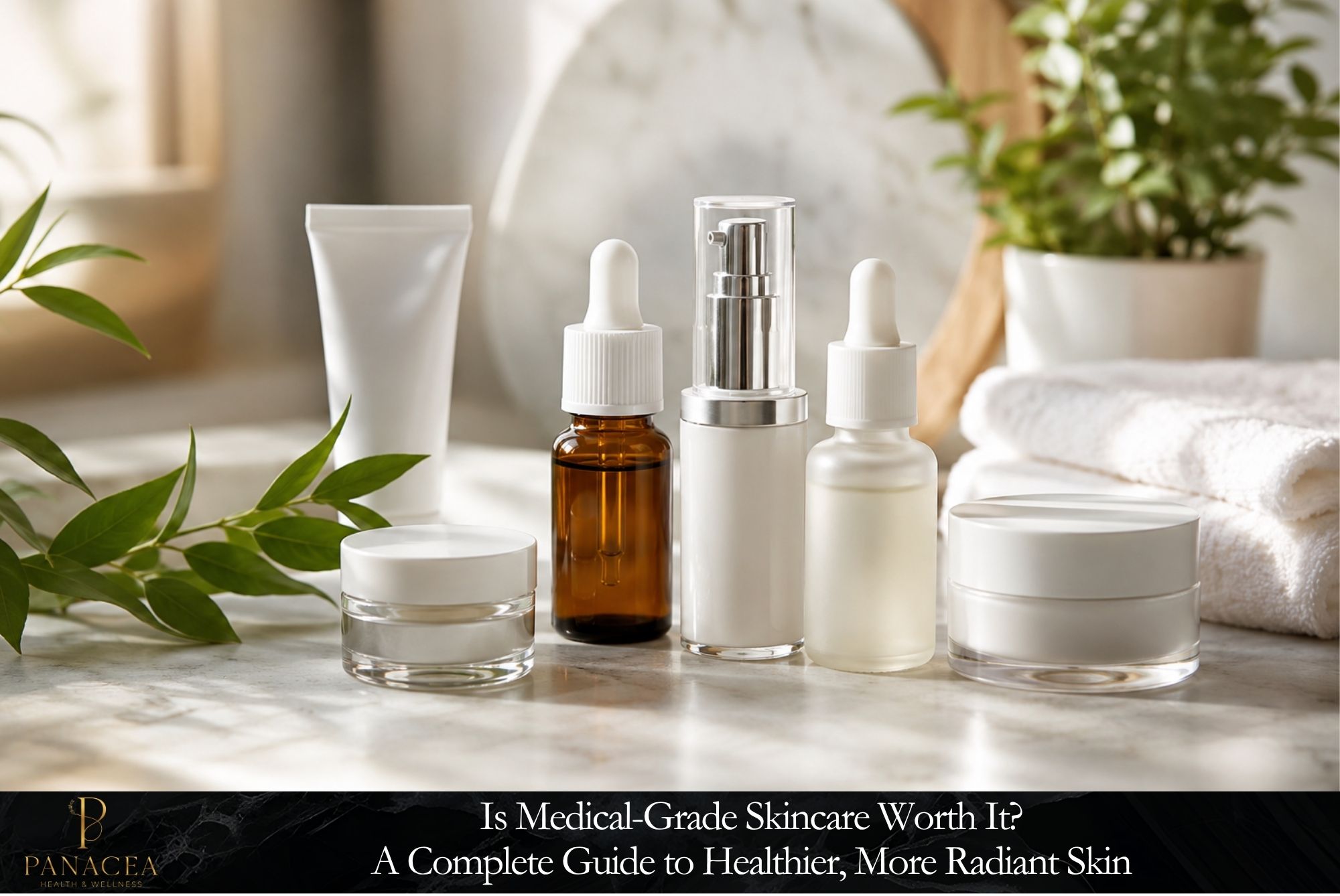
 When it comes to skincare, consumers are faced with countless products promising flawless, youthful skin. From drugstore creams to luxury beauty brands, the options can feel overwhelming. One category that continues to gain attention is medical-grade skincare — products developed with clinically tested ingredients and often recommended by healthcare professionals. But many people still ask: Is medical-grade skincare really worth it?
At Panacea Health and Wellness, PLLC, we believe healthy skin is an essential part of overall wellness and confidence. Understanding the differences between over-the-counter skincare and medical-grade products can help you make informed decisions about your skincare routine and long-term skin health.
In this comprehensive guide, we’ll explore what medical-grade skincare is, how it works, its benefits, potential drawbacks, and whether it’s the right investment for your skin goals.
What Is Medical-Grade Skincare?
Medical-grade skincare refers to products formulated with higher concentrations of active ingredients that are scientifically proven to improve skin health and appearance. These products are typically available through licensed healthcare providers, wellness clinics, dermatology offices, or medical spas.
Unlike many over-the-counter skincare products, medical-grade skincare is designed to penetrate deeper into the skin to target concerns at the cellular level.
Common ingredients found in medical-grade skincare include:
- Retinoids
- Hyaluronic acid
- Vitamin C
- Peptides
- Glycolic acid
- Salicylic acid
- Growth factors
- Prescription-strength antioxidants
These formulations are often backed by clinical research and manufactured under stricter quality standards.
How Medical-Grade Skincare Differs From Drugstore Products
One of the biggest misconceptions is that all skincare products work the same. However, there are significant differences between medical-grade and standard over-the-counter products.
Ingredient Potency
Medical-grade skincare products often contain higher concentrations of active ingredients. This allows them to produce more noticeable and longer-lasting results.
For example:
- Drugstore retinol may contain a very low concentration.
- Medical-grade retinoids are often stronger and more effective for reducing wrinkles and acne.
Deeper Skin Penetration
Medical-grade products are formulated to penetrate beyond the surface layer of the skin. Many standard cosmetic products primarily sit on top of the skin, offering temporary hydration or cosmetic improvement.
Clinical Testing
Medical-grade skincare is typically supported by:
- Scientific research
- Clinical trials
- Dermatological testing
This helps ensure safety and effectiveness.
Professional Guidance
Medical-grade skincare is usually recommended by professionals who evaluate your:
- Skin type
- Lifestyle
- Concerns
- Medical history
This personalized approach can significantly improve outcomes.
Benefits of Medical-Grade Skincare
Many people see medical-grade skincare as an investment in long-term skin health. Here are some of the most important benefits.
Improved Skin Texture and Tone
Medical-grade products can help:
- Smooth rough texture
- Reduce hyperpigmentation
- Brighten dull skin
- Minimize redness
Better Anti-Aging Results
Aging skin often benefits from stronger active ingredients that stimulate collagen production and cell turnover.
Medical-grade skincare may help reduce:
- Fine lines
- Wrinkles
- Sun damage
- Loss of elasticity
More Effective Acne Treatment
For individuals struggling with acne, medical-grade skincare can provide targeted solutions that address:
- Excess oil
- Inflammation
- Clogged pores
- Acne scarring
Customized Treatment Plans
Professional recommendations ensure you are using products designed specifically for your skin needs rather than guessing which products may work.
Long-Term Skin Health
Consistent use of quality skincare can help protect the skin barrier and reduce future damage caused by:
- UV exposure
- Pollution
- Environmental stressors
- Aging
Is Medical-Grade Skincare Worth the Cost?
Medical-grade skincare products are often more expensive than standard beauty products, leading many people to wonder if the investment is worthwhile.
The answer depends on your skincare goals and concerns.
It May Be Worth It If You:
- Have persistent skin issues
- Want anti-aging support
- Struggle with acne or discoloration
- Desire long-term results
- Want professional skincare guidance
It May Not Be Necessary If You:
- Have minimal skin concerns
- Prefer a very simple routine
- Are not consistent with skincare use
However, many patients find that using fewer high-quality products can actually save money over time compared to constantly trying ineffective products.
Common Skin Concerns Treated With Medical-Grade Skincare
Medical-grade skincare can address a wide variety of conditions and cosmetic concerns.
Acne and Breakouts
Products with salicylic acid, benzoyl peroxide, and retinoids can help improve acne-prone skin.
Fine Lines and Wrinkles
Anti-aging ingredients support collagen production and skin renewal.
Hyperpigmentation
Medical-grade brightening agents can help fade:
- Sunspots
- Melasma
- Post-inflammatory pigmentation
Rosacea and Redness
Certain formulations are specifically designed to calm inflammation and strengthen the skin barrier.
Dry or Dehydrated Skin
Advanced moisturizers with hyaluronic acid and ceramides can restore hydration.
The Importance of Professional Skincare Guidance
Using strong skincare ingredients without proper guidance can sometimes lead to:
- Irritation
- Dryness
- Sensitivity
- Barrier damage
At Panacea Health and Wellness, PLLC, personalized skincare evaluations help patients choose products that align with their skin type and goals.
A customized skincare regimen may provide better results than randomly purchasing trending products online.
Tips for Getting the Best Results From Medical-Grade Skincare
Be Consistent
Skincare results take time. Most people notice improvements after several weeks or months of consistent use.
Use Sunscreen Daily
Sun protection is essential when using active ingredients like retinoids or acids.
Avoid Overusing Products
More is not always better. Overuse can irritate the skin.
Follow Professional Recommendations
A professional skincare provider can adjust your regimen as your skin changes over time.
Q&A: Medical-Grade Skincare
What qualifies as medical-grade skincare?
Medical-grade skincare contains clinically tested active ingredients formulated to penetrate deeper into the skin and improve skin function.
Is medical-grade skincare safe?
Yes, when used appropriately and under professional guidance. These products are generally tested for both safety and effectiveness.
Can medical-grade skincare help acne scars?
Yes. Many products help improve skin texture, discoloration, and collagen production to reduce the appearance of acne scars.
How long does it take to see results?
Some people notice improvements within a few weeks, while others may require several months depending on the concern being treated.
Do I need a prescription for medical-grade skincare?
Not always. Some products are available through healthcare providers without a prescription, while others may require one.
Is expensive skincare always better?
Not necessarily. However, medical-grade skincare often contains higher-quality ingredients and stronger formulations supported by research.
Can sensitive skin use medical-grade products?
Yes, but it’s important to use products specifically formulated for sensitive skin and follow professional guidance.
What’s the best anti-aging ingredient?
Retinoids are widely considered one of the most effective anti-aging ingredients due to their ability to stimulate collagen production and improve skin texture.
Is sunscreen still necessary with medical-grade skincare?
Absolutely. Sunscreen protects your skin from UV damage and helps preserve your skincare results.
Can medical-grade skincare replace cosmetic procedures?
In some cases, skincare can significantly improve skin health and appearance, but certain cosmetic procedures may still provide more dramatic results.
Final Thoughts
Medical-grade skincare can be a valuable investment for individuals who want healthier, more youthful-looking skin backed by science and professional guidance. While these products may cost more upfront, many people experience better results, fewer wasted purchases, and long-term improvements in skin health.
Choosing the right skincare routine starts with understanding your skin’s unique needs. Working with a trusted wellness provider can help you build a personalized approach that supports both beauty and overall well-being.
Contact Panacea Health and Wellness, PLLC
Panacea Health and Wellness, PLLC
354 Raleigh St b,
Holly Springs, NC 27540
Phone: (919) 891-8463
Website: panaceahealthwellness.com
Email: reneecollumfnp@panaceahealthwellness.com